
EN
Brazilian Butt Lift Postoperative Instructions
Brazilian Butt Lift Postoperative Instructions
Brazilian Butt Lift Postoperative Instructions
Care in the postoperative phase is of utmost importance. You should allow your tissue time to recover and pay close attention to your hydration, nutrition, and sleep patterns to accelerate and facilitate the healing process. As the recovery process varies from person to person, your primary guide should always be the recommendations provided by your doctor.
Care in the postoperative phase is of utmost importance. You should allow your tissue time to recover and pay close attention to your hydration, nutrition, and sleep patterns to accelerate and facilitate the healing process. As the recovery process varies from person to person, your primary guide should always be the recommendations provided by your doctor.
Care in the postoperative phase is of utmost importance. You should allow your tissue time to recover and pay close attention to your hydration, nutrition, and sleep patterns to accelerate and facilitate the healing process. As the recovery process varies from person to person, your primary guide should always be the recommendations provided by your doctor.

Key considerations to bear in mind during your rehabilitation process
Please take the medications prescribed by your physician (antibiotics, pain relievers, etc.) regularly after your surgery, strictly adhering to your designated dosage schedule.
Please strictly avoid any alcohol consumption until you have completed your full course of medication.
For your safety and optimal recovery, please refrain from using cigarettes, e-cigarettes, nicotine gum, and any other nicotine-containing products until at least 2 to 4 weeks after your surgery.
You should avoid heavy labor, stress, strenuous activities, sports, sexual intercourse, and swimming for the period recommended by your physician. Sports and other physically demanding activities must be avoided for the next 4 to 6 weeks following your surgery.
If you notice any opening at the incision site, redness, swelling, or fluid accumulation in the lower abdomen after your surgery, please contact the clinic team immediately.
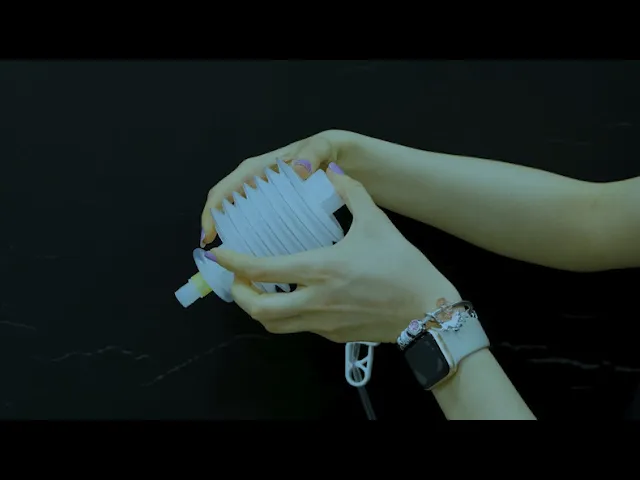
One of the most critical aspects of your postoperative recovery is your sitting position. It is highly recommended to avoid sitting directly on your buttocks for 2 weeks following your surgery. Patients are generally advised to sleep on their stomach or on their side. If you must sit, please use a circular or inflatable pillow. Placing the pillow under your thighs will help avoid pressure on the fat grafts by elevating your buttocks. Since sitting directly on the buttocks can compromise blood circulation and fat survival in this area, adhering strictly to these guidelines is essential for achieving optimal, long-lasting results.
After your surgery, you may begin taking light walks every hour, taking care not to overexert yourself. Walking improves blood circulation and helps prevent the formation of blood clots.
Please do not enter a swimming pool or the sea until your skin wounds have fully healed and your doctor has given explicit clearance. Doing so prematurely may lead to undesirable complications, such as infections.
To ensure a successful surgical outcome, please avoid sitting. This is the most crucial phase of your recovery process. Please avoid squatting, stretching, and strenuous activities, particularly jumping. The more you rest, the faster your body will heal.
To ensure a smooth recovery and enhance the success of your procedure, it is crucial to avoid applying pressure to the fat transfer areas. This allows the transplanted fat to integrate and establish itself in the body more rapidly. Sitting directly on your buttocks restricts blood circulation and can compromise the survival of the transferred fat cells. Throughout this initial recovery phase, you must avoid putting any direct pressure on the buttocks and refrain from sitting.
Sunlight and other ultraviolet radiation trigger increased pigmentation and discoloration in the wound area. Protection from sun exposure is highly important, especially during the first months of the wound healing process.
Key considerations to bear in mind during your rehabilitation process
Please take the medications prescribed by your physician (antibiotics, pain relievers, etc.) regularly after your surgery, strictly adhering to your designated dosage schedule.
Please strictly avoid any alcohol consumption until you have completed your full course of medication.
For your safety and optimal recovery, please refrain from using cigarettes, e-cigarettes, nicotine gum, and any other nicotine-containing products until at least 2 to 4 weeks after your surgery.
You should avoid heavy labor, stress, strenuous activities, sports, sexual intercourse, and swimming for the period recommended by your physician. Sports and other physically demanding activities must be avoided for the next 4 to 6 weeks following your surgery.
If you notice any opening at the incision site, redness, swelling, or fluid accumulation in the lower abdomen after your surgery, please contact the clinic team immediately.
One of the most critical aspects of your postoperative recovery is your sitting position. It is highly recommended to avoid sitting directly on your buttocks for 2 weeks following your surgery. Patients are generally advised to sleep on their stomach or on their side. If you must sit, please use a circular or inflatable pillow. Placing the pillow under your thighs will help avoid pressure on the fat grafts by elevating your buttocks. Since sitting directly on the buttocks can compromise blood circulation and fat survival in this area, adhering strictly to these guidelines is essential for achieving optimal, long-lasting results.
After your surgery, you may begin taking light walks every hour, taking care not to overexert yourself. Walking improves blood circulation and helps prevent the formation of blood clots.
Please do not enter a swimming pool or the sea until your skin wounds have fully healed and your doctor has given explicit clearance. Doing so prematurely may lead to undesirable complications, such as infections.
To ensure a successful surgical outcome, please avoid sitting. This is the most crucial phase of your recovery process. Please avoid squatting, stretching, and strenuous activities, particularly jumping. The more you rest, the faster your body will heal.
To ensure a smooth recovery and enhance the success of your procedure, it is crucial to avoid applying pressure to the fat transfer areas. This allows the transplanted fat to integrate and establish itself in the body more rapidly. Sitting directly on your buttocks restricts blood circulation and can compromise the survival of the transferred fat cells. Throughout this initial recovery phase, you must avoid putting any direct pressure on the buttocks and refrain from sitting.
Sunlight and other ultraviolet radiation trigger increased pigmentation and discoloration in the wound area. Protection from sun exposure is highly important, especially during the first months of the wound healing process.
Key considerations to bear in mind during your rehabilitation process
Please take the medications prescribed by your physician (antibiotics, pain relievers, etc.) regularly after your surgery, strictly adhering to your designated dosage schedule.
Please strictly avoid any alcohol consumption until you have completed your full course of medication.
For your safety and optimal recovery, please refrain from using cigarettes, e-cigarettes, nicotine gum, and any other nicotine-containing products until at least 2 to 4 weeks after your surgery.
You should avoid heavy labor, stress, strenuous activities, sports, sexual intercourse, and swimming for the period recommended by your physician. Sports and other physically demanding activities must be avoided for the next 4 to 6 weeks following your surgery.
If you notice any opening at the incision site, redness, swelling, or fluid accumulation in the lower abdomen after your surgery, please contact the clinic team immediately.
One of the most critical aspects of your postoperative recovery is your sitting position. It is highly recommended to avoid sitting directly on your buttocks for 2 weeks following your surgery. Patients are generally advised to sleep on their stomach or on their side. If you must sit, please use a circular or inflatable pillow. Placing the pillow under your thighs will help avoid pressure on the fat grafts by elevating your buttocks. Since sitting directly on the buttocks can compromise blood circulation and fat survival in this area, adhering strictly to these guidelines is essential for achieving optimal, long-lasting results.
After your surgery, you may begin taking light walks every hour, taking care not to overexert yourself. Walking improves blood circulation and helps prevent the formation of blood clots.
Please do not enter a swimming pool or the sea until your skin wounds have fully healed and your doctor has given explicit clearance. Doing so prematurely may lead to undesirable complications, such as infections.
To ensure a successful surgical outcome, please avoid sitting. This is the most crucial phase of your recovery process. Please avoid squatting, stretching, and strenuous activities, particularly jumping. The more you rest, the faster your body will heal.
To ensure a smooth recovery and enhance the success of your procedure, it is crucial to avoid applying pressure to the fat transfer areas. This allows the transplanted fat to integrate and establish itself in the body more rapidly. Sitting directly on your buttocks restricts blood circulation and can compromise the survival of the transferred fat cells. Throughout this initial recovery phase, you must avoid putting any direct pressure on the buttocks and refrain from sitting.
Sunlight and other ultraviolet radiation trigger increased pigmentation and discoloration in the wound area. Protection from sun exposure is highly important, especially during the first months of the wound healing process.

Potential side effects during the rehabilitation process
Pain, tenderness, and a feeling of tightness are completely normal after surgery. Additionally, any postoperative discomfort can be effectively managed and relieved with the pain medication prescribed by your physician.
Swelling (edema) and bruising may occur starting from the very first day. This bodily response is entirely normal and should not be a cause for concern. It is expected that the bruising will subside within 1 to 2 weeks. Due to the swelling and bruising in the treated areas, a reduction in fatty tissue may not be immediately noticeable initially. While this temporary stage may seem discouraging to patients, it is a clear and positive indicator of a successful healing process.
You may experience some muscle tension when sitting down or standing up. This is a normal part of the recovery process. Please note that you must never lift heavy weights, run, or experience any impact to the buttocks.
Swelling may occur after the procedure. Please do not be concerned if your buttocks initially appear larger or more asymmetrical than you desire; this is entirely normal, and you will achieve your desired appearance as the healing process progresses.
It is entirely normal to experience temporary, mild mobility limitations during your postoperative recovery phase.
You may experience some numbness or a tingling sensation in the surgical area. This is entirely normal and is a natural part of the healing process of the nerves in this region.
Potential side effects during the rehabilitation process
Pain, tenderness, and a feeling of tightness are completely normal after surgery. Additionally, any postoperative discomfort can be effectively managed and relieved with the pain medication prescribed by your physician.
Swelling (edema) and bruising may occur starting from the very first day. This bodily response is entirely normal and should not be a cause for concern. It is expected that the bruising will subside within 1 to 2 weeks. Due to the swelling and bruising in the treated areas, a reduction in fatty tissue may not be immediately noticeable initially. While this temporary stage may seem discouraging to patients, it is a clear and positive indicator of a successful healing process.
You may experience some muscle tension when sitting down or standing up. This is a normal part of the recovery process. Please note that you must never lift heavy weights, run, or experience any impact to the buttocks.
Swelling may occur after the procedure. Please do not be concerned if your buttocks initially appear larger or more asymmetrical than you desire; this is entirely normal, and you will achieve your desired appearance as the healing process progresses.
It is entirely normal to experience temporary, mild mobility limitations during your postoperative recovery phase.
You may experience some numbness or a tingling sensation in the surgical area. This is entirely normal and is a natural part of the healing process of the nerves in this region.
Potential side effects during the rehabilitation process
Pain, tenderness, and a feeling of tightness are completely normal after surgery. Additionally, any postoperative discomfort can be effectively managed and relieved with the pain medication prescribed by your physician.
Swelling (edema) and bruising may occur starting from the very first day. This bodily response is entirely normal and should not be a cause for concern. It is expected that the bruising will subside within 1 to 2 weeks. Due to the swelling and bruising in the treated areas, a reduction in fatty tissue may not be immediately noticeable initially. While this temporary stage may seem discouraging to patients, it is a clear and positive indicator of a successful healing process.
You may experience some muscle tension when sitting down or standing up. This is a normal part of the recovery process. Please note that you must never lift heavy weights, run, or experience any impact to the buttocks.
Swelling may occur after the procedure. Please do not be concerned if your buttocks initially appear larger or more asymmetrical than you desire; this is entirely normal, and you will achieve your desired appearance as the healing process progresses.
It is entirely normal to experience temporary, mild mobility limitations during your postoperative recovery phase.
You may experience some numbness or a tingling sensation in the surgical area. This is entirely normal and is a natural part of the healing process of the nerves in this region.

Scar management during the healing process
Scar treatment should begin 21 days—exactly three weeks—following your surgery and be maintained for at least three months. Visually optimal results are typically achieved when treatment is continued for six months. It is entirely normal for the appearance of the scar to continue maturing for up to a year post-operatively. Please do not feel discouraged or discontinue your care regimen if progress seems gradual during this period. Consistent, diligent scar care and treatment significantly improve the long-term aesthetic and healthy healing of the tissue compared to untreated skin.
Bio-Oil should be applied to cleansed skin and gently massaged into the scar in the morning and evening. Please note that this scar treatment must not be used on open wounds.
After the Bio-Oil has been thoroughly absorbed into the skin in the morning, a silicone ointment is then applied. Most silicone gel creams contain the same active ingredients. Therefore, it is sufficient to ask your pharmacist for a "silicone ointment for scar treatment."
Unlike Bio-Oil, the silicone gel should be applied thinly, similar to an adhesive, and without massaging. The silicone gel formulation protects the incision site and prevents swelling. Consequently, care must be taken to ensure the gel is applied evenly and entirely covers the scar.
In the evening, a silicone sheet should be placed over the Bio-Oil. Silicone gel sheets are reusable and can be washed with soap and water to extend their lifespan for up to two weeks or longer. They work similarly to silicone gels, but are more effective. Silicone sheets are applied directly to the scar as soon as the wound has healed or the sutures have been removed from the incision. Silicone sheet therapy is active 24 hours a day and is therefore significantly more effective than the alternative silicone gel. However, treatment with the cream is considered equally effective if allowed to remain on the scar for 8 to 12 hours a day.
A crucial factor in the success of scar treatment is the condition of the skin. Healthy nutrition is fundamental to healthy skin. Wound healing is significantly accelerated by the intake of zinc and vitamin C supplements.
Since the surgical sutures will dissolve within 6 months, small acne-like wounds may form at these sites as a reaction. This is a completely normal part of the healing process. Scar treatment should be avoided on these open wounds; instead, an antibiotic cream should be applied.
Our clinical team is pleased to assist you in selecting the most appropriate topical treatment or medication.
Scar management during the healing process
Scar treatment should begin 21 days—exactly three weeks—following your surgery and be maintained for at least three months. Visually optimal results are typically achieved when treatment is continued for six months. It is entirely normal for the appearance of the scar to continue maturing for up to a year post-operatively. Please do not feel discouraged or discontinue your care regimen if progress seems gradual during this period. Consistent, diligent scar care and treatment significantly improve the long-term aesthetic and healthy healing of the tissue compared to untreated skin.
Bio-Oil should be applied to cleansed skin and gently massaged into the scar in the morning and evening. Please note that this scar treatment must not be used on open wounds.
After the Bio-Oil has been thoroughly absorbed into the skin in the morning, a silicone ointment is then applied. Most silicone gel creams contain the same active ingredients. Therefore, it is sufficient to ask your pharmacist for a "silicone ointment for scar treatment."
Unlike Bio-Oil, the silicone gel should be applied thinly, similar to an adhesive, and without massaging. The silicone gel formulation protects the incision site and prevents swelling. Consequently, care must be taken to ensure the gel is applied evenly and entirely covers the scar.
In the evening, a silicone sheet should be placed over the Bio-Oil. Silicone gel sheets are reusable and can be washed with soap and water to extend their lifespan for up to two weeks or longer. They work similarly to silicone gels, but are more effective. Silicone sheets are applied directly to the scar as soon as the wound has healed or the sutures have been removed from the incision. Silicone sheet therapy is active 24 hours a day and is therefore significantly more effective than the alternative silicone gel. However, treatment with the cream is considered equally effective if allowed to remain on the scar for 8 to 12 hours a day.
A crucial factor in the success of scar treatment is the condition of the skin. Healthy nutrition is fundamental to healthy skin. Wound healing is significantly accelerated by the intake of zinc and vitamin C supplements.
Since the surgical sutures will dissolve within 6 months, small acne-like wounds may form at these sites as a reaction. This is a completely normal part of the healing process. Scar treatment should be avoided on these open wounds; instead, an antibiotic cream should be applied.
Our clinical team is pleased to assist you in selecting the most appropriate topical treatment or medication.
Scar management during the healing process
Scar treatment should begin 21 days—exactly three weeks—following your surgery and be maintained for at least three months. Visually optimal results are typically achieved when treatment is continued for six months. It is entirely normal for the appearance of the scar to continue maturing for up to a year post-operatively. Please do not feel discouraged or discontinue your care regimen if progress seems gradual during this period. Consistent, diligent scar care and treatment significantly improve the long-term aesthetic and healthy healing of the tissue compared to untreated skin.
Bio-Oil should be applied to cleansed skin and gently massaged into the scar in the morning and evening. Please note that this scar treatment must not be used on open wounds.
After the Bio-Oil has been thoroughly absorbed into the skin in the morning, a silicone ointment is then applied. Most silicone gel creams contain the same active ingredients. Therefore, it is sufficient to ask your pharmacist for a "silicone ointment for scar treatment."
Unlike Bio-Oil, the silicone gel should be applied thinly, similar to an adhesive, and without massaging. The silicone gel formulation protects the incision site and prevents swelling. Consequently, care must be taken to ensure the gel is applied evenly and entirely covers the scar.
In the evening, a silicone sheet should be placed over the Bio-Oil. Silicone gel sheets are reusable and can be washed with soap and water to extend their lifespan for up to two weeks or longer. They work similarly to silicone gels, but are more effective. Silicone sheets are applied directly to the scar as soon as the wound has healed or the sutures have been removed from the incision. Silicone sheet therapy is active 24 hours a day and is therefore significantly more effective than the alternative silicone gel. However, treatment with the cream is considered equally effective if allowed to remain on the scar for 8 to 12 hours a day.
A crucial factor in the success of scar treatment is the condition of the skin. Healthy nutrition is fundamental to healthy skin. Wound healing is significantly accelerated by the intake of zinc and vitamin C supplements.
Since the surgical sutures will dissolve within 6 months, small acne-like wounds may form at these sites as a reaction. This is a completely normal part of the healing process. Scar treatment should be avoided on these open wounds; instead, an antibiotic cream should be applied.
Our clinical team is pleased to assist you in selecting the most appropriate topical treatment or medication.

Important Information Regarding Your Rehabilitation Process
After the surgery, the incision site is closed with Omnistrips – medical tapes – to protect the area. These tapes reduce tension on the suture line and minimize scarring. During showering, the tapes can be removed 2 weeks after the procedure. The showering process helps dissolve the adhesive on the skin, making removal easier and gentler. Please pull on the tapes very carefully. If they do not detach easily, do not force them off. This prevents damage to the delicate skin and ensures the incision remains securely closed.
Regarding post-operative hygiene: If a surgical drain has been placed, you may shower 2 days after its removal. If no drain was required, showering is permitted immediately following your follow-up examination. Additionally, the sterile adhesive tapes are waterproof, protecting your incisions from water. After approximately one week, and no later than 10 days, these tapes can be gently removed while showering.
During the procedure, a surgical drain will be placed to prevent any accumulation of blood in the surgical site, ensuring optimal sterility is maintained. This drain is typically removed approximately 13 days following the liposuction; however, this schedule may vary based on your surgeon's specific clinical assessment. Patients are kindly requested to empty the drain daily in the morning, with the exception of the day of your scheduled follow-up appointment.
Patients must refrain from consuming highly salty and processed foods during the healing process. Such consumption increases the risk of edema formation throughout the body. Conversely, patients should significantly increase their fluid intake. While swelling can subside rapidly within the first four weeks, it may take between 6 months and a year to achieve the final, optimal result.
During the initial period following your surgery, it is recommended to place a specialized cushion (BBL pillow) behind your thighs to avoid direct pressure on the buttocks while sitting.
It is essential to wear a specialized compression garment after your procedure to facilitate the proper healing of the treated areas. You should wear this compression garment for 6 weeks to ensure that the areas where fat was removed heal optimally. This approach is also utilized to minimize swelling, alleviate discomfort, and support the healing of the skin.
Following your surgery, you can immediately resume your social activities, provided that you carefully follow your physician's instructions. As a general precaution, it is highly recommended to act mindfully during the first 3 months and avoid any heavy lifting or strenuous movements during physical activities.
By maintaining a healthy diet and engaging in regular exercise upon returning to your daily routine, you can preserve both your weight and the newly contoured shape of your buttocks over the long term. When exercising, please avoid squats that place excessive strain on the gluteus maximus muscle.
The postoperative dressing will be applied in accordance with your physician's instructions. Any existing sutures will be removed. However, since the sutures used during the procedure are typically subcuticular and aesthetic, suture removal is generally not required.
The postoperative dressing must be applied as recommended by your physician. Your doctor will instruct you precisely on how to prevent or remove any potential debris on the dressings to ensure that the sutures heal and dissolve as intended. If external sutures are present, they will be removed. Since surgical sutures are typically concealed cosmetic stitches, no scar revision procedure is required.
For patients with drains: Please ensure that your hands are thoroughly washed before and after emptying the drain. You can access the instructional video on how to empty the drain before your follow-up care by clicking on the link.
Important Information Regarding Your Rehabilitation Process
After the surgery, the incision site is closed with Omnistrips – medical tapes – to protect the area. These tapes reduce tension on the suture line and minimize scarring. During showering, the tapes can be removed 2 weeks after the procedure. The showering process helps dissolve the adhesive on the skin, making removal easier and gentler. Please pull on the tapes very carefully. If they do not detach easily, do not force them off. This prevents damage to the delicate skin and ensures the incision remains securely closed.
Regarding post-operative hygiene: If a surgical drain has been placed, you may shower 2 days after its removal. If no drain was required, showering is permitted immediately following your follow-up examination. Additionally, the sterile adhesive tapes are waterproof, protecting your incisions from water. After approximately one week, and no later than 10 days, these tapes can be gently removed while showering.
During the procedure, a surgical drain will be placed to prevent any accumulation of blood in the surgical site, ensuring optimal sterility is maintained. This drain is typically removed approximately 13 days following the liposuction; however, this schedule may vary based on your surgeon's specific clinical assessment. Patients are kindly requested to empty the drain daily in the morning, with the exception of the day of your scheduled follow-up appointment.
Patients must refrain from consuming highly salty and processed foods during the healing process. Such consumption increases the risk of edema formation throughout the body. Conversely, patients should significantly increase their fluid intake. While swelling can subside rapidly within the first four weeks, it may take between 6 months and a year to achieve the final, optimal result.
During the initial period following your surgery, it is recommended to place a specialized cushion (BBL pillow) behind your thighs to avoid direct pressure on the buttocks while sitting.
It is essential to wear a specialized compression garment after your procedure to facilitate the proper healing of the treated areas. You should wear this compression garment for 6 weeks to ensure that the areas where fat was removed heal optimally. This approach is also utilized to minimize swelling, alleviate discomfort, and support the healing of the skin.
Following your surgery, you can immediately resume your social activities, provided that you carefully follow your physician's instructions. As a general precaution, it is highly recommended to act mindfully during the first 3 months and avoid any heavy lifting or strenuous movements during physical activities.
By maintaining a healthy diet and engaging in regular exercise upon returning to your daily routine, you can preserve both your weight and the newly contoured shape of your buttocks over the long term. When exercising, please avoid squats that place excessive strain on the gluteus maximus muscle.
The postoperative dressing will be applied in accordance with your physician's instructions. Any existing sutures will be removed. However, since the sutures used during the procedure are typically subcuticular and aesthetic, suture removal is generally not required.
The postoperative dressing must be applied as recommended by your physician. Your doctor will instruct you precisely on how to prevent or remove any potential debris on the dressings to ensure that the sutures heal and dissolve as intended. If external sutures are present, they will be removed. Since surgical sutures are typically concealed cosmetic stitches, no scar revision procedure is required.
For patients with drains: Please ensure that your hands are thoroughly washed before and after emptying the drain. You can access the instructional video on how to empty the drain before your follow-up care by clicking on the link.
Important Information Regarding Your Rehabilitation Process
After the surgery, the incision site is closed with Omnistrips – medical tapes – to protect the area. These tapes reduce tension on the suture line and minimize scarring. During showering, the tapes can be removed 2 weeks after the procedure. The showering process helps dissolve the adhesive on the skin, making removal easier and gentler. Please pull on the tapes very carefully. If they do not detach easily, do not force them off. This prevents damage to the delicate skin and ensures the incision remains securely closed.
Regarding post-operative hygiene: If a surgical drain has been placed, you may shower 2 days after its removal. If no drain was required, showering is permitted immediately following your follow-up examination. Additionally, the sterile adhesive tapes are waterproof, protecting your incisions from water. After approximately one week, and no later than 10 days, these tapes can be gently removed while showering.
During the procedure, a surgical drain will be placed to prevent any accumulation of blood in the surgical site, ensuring optimal sterility is maintained. This drain is typically removed approximately 13 days following the liposuction; however, this schedule may vary based on your surgeon's specific clinical assessment. Patients are kindly requested to empty the drain daily in the morning, with the exception of the day of your scheduled follow-up appointment.
Patients must refrain from consuming highly salty and processed foods during the healing process. Such consumption increases the risk of edema formation throughout the body. Conversely, patients should significantly increase their fluid intake. While swelling can subside rapidly within the first four weeks, it may take between 6 months and a year to achieve the final, optimal result.
During the initial period following your surgery, it is recommended to place a specialized cushion (BBL pillow) behind your thighs to avoid direct pressure on the buttocks while sitting.
It is essential to wear a specialized compression garment after your procedure to facilitate the proper healing of the treated areas. You should wear this compression garment for 6 weeks to ensure that the areas where fat was removed heal optimally. This approach is also utilized to minimize swelling, alleviate discomfort, and support the healing of the skin.
Following your surgery, you can immediately resume your social activities, provided that you carefully follow your physician's instructions. As a general precaution, it is highly recommended to act mindfully during the first 3 months and avoid any heavy lifting or strenuous movements during physical activities.
By maintaining a healthy diet and engaging in regular exercise upon returning to your daily routine, you can preserve both your weight and the newly contoured shape of your buttocks over the long term. When exercising, please avoid squats that place excessive strain on the gluteus maximus muscle.
The postoperative dressing will be applied in accordance with your physician's instructions. Any existing sutures will be removed. However, since the sutures used during the procedure are typically subcuticular and aesthetic, suture removal is generally not required.
The postoperative dressing must be applied as recommended by your physician. Your doctor will instruct you precisely on how to prevent or remove any potential debris on the dressings to ensure that the sutures heal and dissolve as intended. If external sutures are present, they will be removed. Since surgical sutures are typically concealed cosmetic stitches, no scar revision procedure is required.
For patients with drains: Please ensure that your hands are thoroughly washed before and after emptying the drain. You can access the instructional video on how to empty the drain before your follow-up care by clicking on the link.


Consultation center since 2008.
TÜV approved since 2012
We look forward to welcoming you to our clinic.
Consultation center serving patients since 2008 in the
Herrenstrasse 14, D-76437 Rastatt, Germany
Monday - Friday, 9:00 AM - 6:00 PM
Saturday: 10:00 AM - 2:00 PM
Toll-free Hotline: 0800 900 24 24
Consultation Center:
+44 7908 701871
Consultation center since 2008.
TÜV approved since 2012
We look forward to welcoming you to our clinic.
Consultation center serving patients since 2008 in the
Herrenstrasse 14, D-76437 Rastatt, Germany
Monday - Friday, 9:00 AM - 6:00 PM
Saturday: 10:00 AM - 2:00 PM
Toll-free Hotline: 0800 900 24 24
Consultation Center:
+44 7908 701871
Copyright © Beauty Travels 24 2026
Consultation center since 2008.
TÜV approved since 2012