
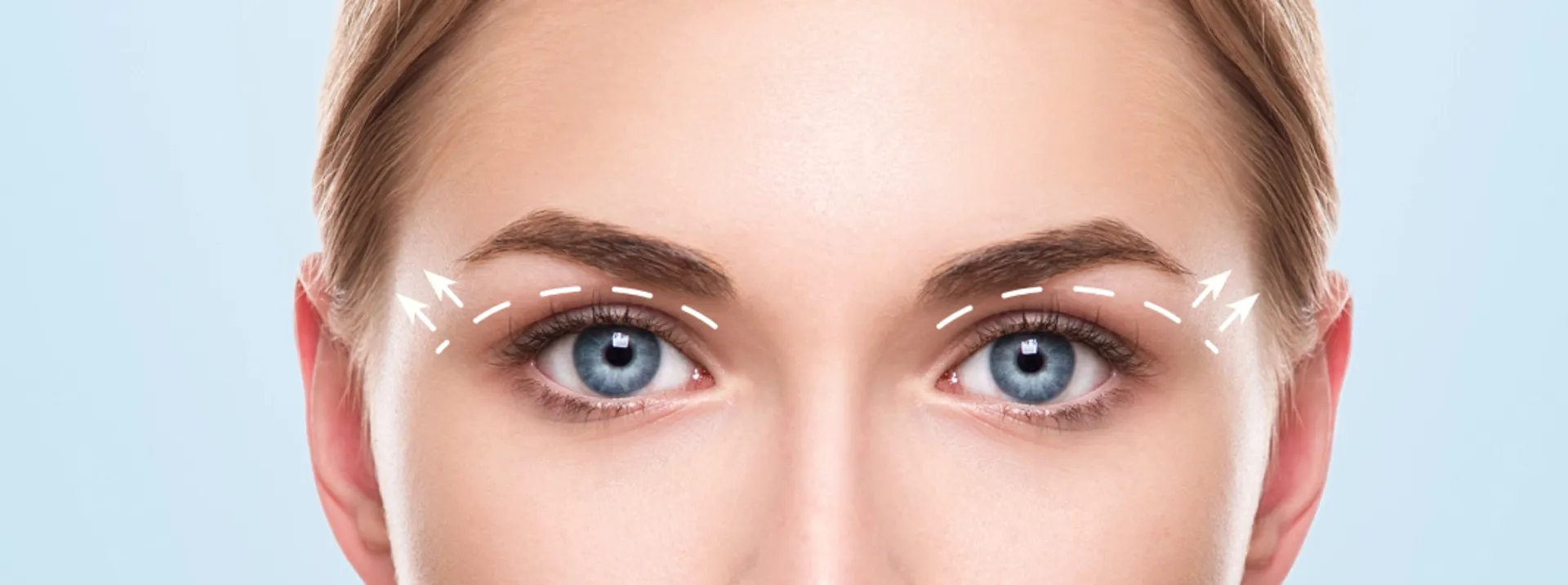
Blepharoplasty Postoperative Instructions
Blepharoplasty Postoperative Instructions
Blepharoplasty Postoperative Instructions
Care in the postoperative phase is of utmost importance. You should allow your tissue time to recover and pay close attention to your hydration, nutrition, and sleep patterns to accelerate and facilitate the healing process. As the recovery process varies from person to person, your primary guide should always be the recommendations provided by your doctor.
Care in the postoperative phase is of utmost importance. You should allow your tissue time to recover and pay close attention to your hydration, nutrition, and sleep patterns to accelerate and facilitate the healing process. As the recovery process varies from person to person, your primary guide should always be the recommendations provided by your doctor.
Care in the postoperative phase is of utmost importance. You should allow your tissue time to recover and pay close attention to your hydration, nutrition, and sleep patterns to accelerate and facilitate the healing process. As the recovery process varies from person to person, your primary guide should always be the recommendations provided by your doctor.

Key considerations to bear in mind during your rehabilitation process
Please take the medications prescribed by your physician (antibiotics, pain relievers, etc.) regularly after your surgery, strictly adhering to your designated dosage schedule.
Please strictly avoid any alcohol consumption until you have completed your full course of medication.
For your safety and optimal recovery, please refrain from using cigarettes, e-cigarettes, nicotine gum, and any other nicotine-containing products until at least 2 to 4 weeks after your surgery.
From the 3rd postoperative day, the edema around the eyes begins to subside. During this period, you may gradually increase your physical activities. From the 2nd day onward, water contact around the eye area is no longer a concern.
Following your procedure, you must avoid applying makeup to the treated area for 10 days. Please do not apply any cosmetic or makeup products to the eye area or the treated site until this period has concluded. Failing to adhere to this instruction may increase the risk of infection.
It is important to avoid activities that can lead to dry eyes, such as reading, computer use, or watching television, for 2 weeks following your surgery.
For one month following your surgery, please avoid visiting places such as the sea, swimming pools, Turkish baths, solariums, and saunas. Exposure to these environments carries a risk of infection at the incision site.
Elevating your head with a few pillows during the postoperative recovery period will help reduce swelling. You should rest in bed in a semi-seated position to minimize pressure on the facial area. Please lie on your back as much as possible and avoid sleeping on your side.
It is of the utmost importance to exercise caution when performing these procedures. Vigorous movements must be strictly avoided. Any actions that increase pressure—such as pushing, heavy lifting, forceful coughing, or bending forward—must be avoided to ensure your safe recovery.
You must not rub your eyes or apply any pressure to the sutures.
Following the procedure, it is recommended to apply a cold compress to the eye area to manage edema. This application should be performed for 10-15 minutes every hour on the first day, for 10-15 minutes every two hours on the second day, and for 5-10 minutes in the morning for a few weeks starting from the third day.
Following the procedure, patients must protect their eyes from direct sunlight. To ensure optimal protection, we highly recommend wearing sunglasses equipped with a high-quality UV filter.
Key considerations to bear in mind during your rehabilitation process
Please take the medications prescribed by your physician (antibiotics, pain relievers, etc.) regularly after your surgery, strictly adhering to your designated dosage schedule.
Please strictly avoid any alcohol consumption until you have completed your full course of medication.
For your safety and optimal recovery, please refrain from using cigarettes, e-cigarettes, nicotine gum, and any other nicotine-containing products until at least 2 to 4 weeks after your surgery.
From the 3rd postoperative day, the edema around the eyes begins to subside. During this period, you may gradually increase your physical activities. From the 2nd day onward, water contact around the eye area is no longer a concern.
Following your procedure, you must avoid applying makeup to the treated area for 10 days. Please do not apply any cosmetic or makeup products to the eye area or the treated site until this period has concluded. Failing to adhere to this instruction may increase the risk of infection.
It is important to avoid activities that can lead to dry eyes, such as reading, computer use, or watching television, for 2 weeks following your surgery.
For one month following your surgery, please avoid visiting places such as the sea, swimming pools, Turkish baths, solariums, and saunas. Exposure to these environments carries a risk of infection at the incision site.
Elevating your head with a few pillows during the postoperative recovery period will help reduce swelling. You should rest in bed in a semi-seated position to minimize pressure on the facial area. Please lie on your back as much as possible and avoid sleeping on your side.
It is of the utmost importance to exercise caution when performing these procedures. Vigorous movements must be strictly avoided. Any actions that increase pressure—such as pushing, heavy lifting, forceful coughing, or bending forward—must be avoided to ensure your safe recovery.
You must not rub your eyes or apply any pressure to the sutures.
Following the procedure, it is recommended to apply a cold compress to the eye area to manage edema. This application should be performed for 10-15 minutes every hour on the first day, for 10-15 minutes every two hours on the second day, and for 5-10 minutes in the morning for a few weeks starting from the third day.
Following the procedure, patients must protect their eyes from direct sunlight. To ensure optimal protection, we highly recommend wearing sunglasses equipped with a high-quality UV filter.
Key considerations to bear in mind during your rehabilitation process
Please take the medications prescribed by your physician (antibiotics, pain relievers, etc.) regularly after your surgery, strictly adhering to your designated dosage schedule.
Please strictly avoid any alcohol consumption until you have completed your full course of medication.
For your safety and optimal recovery, please refrain from using cigarettes, e-cigarettes, nicotine gum, and any other nicotine-containing products until at least 2 to 4 weeks after your surgery.
From the 3rd postoperative day, the edema around the eyes begins to subside. During this period, you may gradually increase your physical activities. From the 2nd day onward, water contact around the eye area is no longer a concern.
Following your procedure, you must avoid applying makeup to the treated area for 10 days. Please do not apply any cosmetic or makeup products to the eye area or the treated site until this period has concluded. Failing to adhere to this instruction may increase the risk of infection.
It is important to avoid activities that can lead to dry eyes, such as reading, computer use, or watching television, for 2 weeks following your surgery.
For one month following your surgery, please avoid visiting places such as the sea, swimming pools, Turkish baths, solariums, and saunas. Exposure to these environments carries a risk of infection at the incision site.
Elevating your head with a few pillows during the postoperative recovery period will help reduce swelling. You should rest in bed in a semi-seated position to minimize pressure on the facial area. Please lie on your back as much as possible and avoid sleeping on your side.
It is of the utmost importance to exercise caution when performing these procedures. Vigorous movements must be strictly avoided. Any actions that increase pressure—such as pushing, heavy lifting, forceful coughing, or bending forward—must be avoided to ensure your safe recovery.
You must not rub your eyes or apply any pressure to the sutures.
Following the procedure, it is recommended to apply a cold compress to the eye area to manage edema. This application should be performed for 10-15 minutes every hour on the first day, for 10-15 minutes every two hours on the second day, and for 5-10 minutes in the morning for a few weeks starting from the third day.
Following the procedure, patients must protect their eyes from direct sunlight. To ensure optimal protection, we highly recommend wearing sunglasses equipped with a high-quality UV filter.

Potential side effects during the rehabilitation process
Your doctor will prescribe an ointment to be applied around your eyes. Temporary blurred vision after application is a normal reaction and is no cause for concern.
Following the completion of the procedure, your eyelid will be covered with Omnistrip tape. This will not obstruct your vision. It is also normal to experience some oozing and minor bleeding from the tape covering the eyelids. Strenuous physical exertion, coughing, and sneezing can increase the bleeding.
During the first few days following your procedure, you may experience a feeling of tightness, stinging, or burning around the eyes.
The skin and subcutaneous tissue of both the upper and lower eyelids are highly delicate and specialized anatomical regions. It is entirely normal to experience varying degrees of swelling and bruising following the procedure. While this varies from patient to patient, with some experiencing very minimal symptoms, others may develop more pronounced bruising and swelling. Please be assured that there is no cause for concern. This swelling and bruising typically peak within the first 2 days and will gradually begin to subside from the 3rd day onward. Diligent application of cold compresses (ice) post-surgery will significantly help reduce both bruising and swelling.
Once the surgical tape around the eyes is removed and the sutures are taken out, it is entirely normal for yellowish-blue bruising to develop around the eye area. These bruises will gradually fade day by day.
During the first few weeks, a thin pinkish line may be visible in the upper eyelid crease and along the lower eyelid (just beneath the lashes).
In some cases, it may be necessary to support the outer corner of the eye using a specialized eye suspension band. During the first week, the eyes may appear slightly pulled or tight due to this band. This technique is carefully utilized to ensure the eye retains its natural shape and to prevent any rounding of the eyelid contours.
Following upper eyelid surgery, you may experience dry eye symptoms such as burning and stinging, which can feel like sand in your eyes. This condition is temporary, and artificial tears can be used to provide relief.
A temporary complication of eyelid surgery is the inability to close the eyes completely. Over time, eye closure will naturally return to its normal function.
Potential side effects during the rehabilitation process
Your doctor will prescribe an ointment to be applied around your eyes. Temporary blurred vision after application is a normal reaction and is no cause for concern.
Following the completion of the procedure, your eyelid will be covered with Omnistrip tape. This will not obstruct your vision. It is also normal to experience some oozing and minor bleeding from the tape covering the eyelids. Strenuous physical exertion, coughing, and sneezing can increase the bleeding.
During the first few days following your procedure, you may experience a feeling of tightness, stinging, or burning around the eyes.
The skin and subcutaneous tissue of both the upper and lower eyelids are highly delicate and specialized anatomical regions. It is entirely normal to experience varying degrees of swelling and bruising following the procedure. While this varies from patient to patient, with some experiencing very minimal symptoms, others may develop more pronounced bruising and swelling. Please be assured that there is no cause for concern. This swelling and bruising typically peak within the first 2 days and will gradually begin to subside from the 3rd day onward. Diligent application of cold compresses (ice) post-surgery will significantly help reduce both bruising and swelling.
Once the surgical tape around the eyes is removed and the sutures are taken out, it is entirely normal for yellowish-blue bruising to develop around the eye area. These bruises will gradually fade day by day.
During the first few weeks, a thin pinkish line may be visible in the upper eyelid crease and along the lower eyelid (just beneath the lashes).
In some cases, it may be necessary to support the outer corner of the eye using a specialized eye suspension band. During the first week, the eyes may appear slightly pulled or tight due to this band. This technique is carefully utilized to ensure the eye retains its natural shape and to prevent any rounding of the eyelid contours.
Following upper eyelid surgery, you may experience dry eye symptoms such as burning and stinging, which can feel like sand in your eyes. This condition is temporary, and artificial tears can be used to provide relief.
A temporary complication of eyelid surgery is the inability to close the eyes completely. Over time, eye closure will naturally return to its normal function.
Potential side effects during the rehabilitation process
Your doctor will prescribe an ointment to be applied around your eyes. Temporary blurred vision after application is a normal reaction and is no cause for concern.
Following the completion of the procedure, your eyelid will be covered with Omnistrip tape. This will not obstruct your vision. It is also normal to experience some oozing and minor bleeding from the tape covering the eyelids. Strenuous physical exertion, coughing, and sneezing can increase the bleeding.
During the first few days following your procedure, you may experience a feeling of tightness, stinging, or burning around the eyes.
The skin and subcutaneous tissue of both the upper and lower eyelids are highly delicate and specialized anatomical regions. It is entirely normal to experience varying degrees of swelling and bruising following the procedure. While this varies from patient to patient, with some experiencing very minimal symptoms, others may develop more pronounced bruising and swelling. Please be assured that there is no cause for concern. This swelling and bruising typically peak within the first 2 days and will gradually begin to subside from the 3rd day onward. Diligent application of cold compresses (ice) post-surgery will significantly help reduce both bruising and swelling.
Once the surgical tape around the eyes is removed and the sutures are taken out, it is entirely normal for yellowish-blue bruising to develop around the eye area. These bruises will gradually fade day by day.
During the first few weeks, a thin pinkish line may be visible in the upper eyelid crease and along the lower eyelid (just beneath the lashes).
In some cases, it may be necessary to support the outer corner of the eye using a specialized eye suspension band. During the first week, the eyes may appear slightly pulled or tight due to this band. This technique is carefully utilized to ensure the eye retains its natural shape and to prevent any rounding of the eyelid contours.
Following upper eyelid surgery, you may experience dry eye symptoms such as burning and stinging, which can feel like sand in your eyes. This condition is temporary, and artificial tears can be used to provide relief.
A temporary complication of eyelid surgery is the inability to close the eyes completely. Over time, eye closure will naturally return to its normal function.

Scar management during the healing process
Scar treatment should begin 21 days—exactly three weeks—following your surgery and be maintained for at least three months. Visually optimal results are typically achieved when treatment is continued for six months. It is entirely normal for the appearance of the scar to continue maturing for up to a year post-operatively. Please do not feel discouraged or discontinue your care regimen if progress seems gradual during this period. Consistent, diligent scar care and treatment significantly improve the long-term aesthetic and healthy healing of the tissue compared to untreated skin.
Bio-Oil should be applied to cleansed skin and gently massaged into the scar in the morning and evening. Please note that this scar treatment must not be used on open wounds.
After the Bio-Oil has been thoroughly absorbed into the skin in the morning, a silicone ointment is then applied. Most silicone gel creams contain the same active ingredients. Therefore, it is sufficient to ask your pharmacist for a "silicone ointment for scar treatment."
Unlike Bio-Oil, the silicone gel should be applied thinly, similar to an adhesive, and without massaging. The silicone gel formulation protects the incision site and prevents swelling. Consequently, care must be taken to ensure the gel is applied evenly and entirely covers the scar.
In the evening, a silicone sheet should be placed over the Bio-Oil. Silicone gel sheets are reusable and can be washed with soap and water to extend their lifespan for up to two weeks or longer. They work similarly to silicone gels, but are more effective. Silicone sheets are applied directly to the scar as soon as the wound has healed or the sutures have been removed from the incision. Silicone sheet therapy is active 24 hours a day and is therefore significantly more effective than the alternative silicone gel. However, treatment with the cream is considered equally effective if allowed to remain on the scar for 8 to 12 hours a day.
A crucial factor in the success of scar treatment is the condition of the skin. Healthy nutrition is fundamental to healthy skin. Wound healing is significantly accelerated by the intake of zinc and vitamin C supplements.
Since the surgical sutures will dissolve within 6 months, small acne-like wounds may form at these sites as a reaction. This is a completely normal part of the healing process. Scar treatment should be avoided on these open wounds; instead, an antibiotic cream should be applied.
Our clinical team is pleased to assist you in selecting the most appropriate topical treatment or medication.
Scar management during the healing process
Scar treatment should begin 21 days—exactly three weeks—following your surgery and be maintained for at least three months. Visually optimal results are typically achieved when treatment is continued for six months. It is entirely normal for the appearance of the scar to continue maturing for up to a year post-operatively. Please do not feel discouraged or discontinue your care regimen if progress seems gradual during this period. Consistent, diligent scar care and treatment significantly improve the long-term aesthetic and healthy healing of the tissue compared to untreated skin.
Bio-Oil should be applied to cleansed skin and gently massaged into the scar in the morning and evening. Please note that this scar treatment must not be used on open wounds.
After the Bio-Oil has been thoroughly absorbed into the skin in the morning, a silicone ointment is then applied. Most silicone gel creams contain the same active ingredients. Therefore, it is sufficient to ask your pharmacist for a "silicone ointment for scar treatment."
Unlike Bio-Oil, the silicone gel should be applied thinly, similar to an adhesive, and without massaging. The silicone gel formulation protects the incision site and prevents swelling. Consequently, care must be taken to ensure the gel is applied evenly and entirely covers the scar.
In the evening, a silicone sheet should be placed over the Bio-Oil. Silicone gel sheets are reusable and can be washed with soap and water to extend their lifespan for up to two weeks or longer. They work similarly to silicone gels, but are more effective. Silicone sheets are applied directly to the scar as soon as the wound has healed or the sutures have been removed from the incision. Silicone sheet therapy is active 24 hours a day and is therefore significantly more effective than the alternative silicone gel. However, treatment with the cream is considered equally effective if allowed to remain on the scar for 8 to 12 hours a day.
A crucial factor in the success of scar treatment is the condition of the skin. Healthy nutrition is fundamental to healthy skin. Wound healing is significantly accelerated by the intake of zinc and vitamin C supplements.
Since the surgical sutures will dissolve within 6 months, small acne-like wounds may form at these sites as a reaction. This is a completely normal part of the healing process. Scar treatment should be avoided on these open wounds; instead, an antibiotic cream should be applied.
Our clinical team is pleased to assist you in selecting the most appropriate topical treatment or medication.
Scar management during the healing process
Scar treatment should begin 21 days—exactly three weeks—following your surgery and be maintained for at least three months. Visually optimal results are typically achieved when treatment is continued for six months. It is entirely normal for the appearance of the scar to continue maturing for up to a year post-operatively. Please do not feel discouraged or discontinue your care regimen if progress seems gradual during this period. Consistent, diligent scar care and treatment significantly improve the long-term aesthetic and healthy healing of the tissue compared to untreated skin.
Bio-Oil should be applied to cleansed skin and gently massaged into the scar in the morning and evening. Please note that this scar treatment must not be used on open wounds.
After the Bio-Oil has been thoroughly absorbed into the skin in the morning, a silicone ointment is then applied. Most silicone gel creams contain the same active ingredients. Therefore, it is sufficient to ask your pharmacist for a "silicone ointment for scar treatment."
Unlike Bio-Oil, the silicone gel should be applied thinly, similar to an adhesive, and without massaging. The silicone gel formulation protects the incision site and prevents swelling. Consequently, care must be taken to ensure the gel is applied evenly and entirely covers the scar.
In the evening, a silicone sheet should be placed over the Bio-Oil. Silicone gel sheets are reusable and can be washed with soap and water to extend their lifespan for up to two weeks or longer. They work similarly to silicone gels, but are more effective. Silicone sheets are applied directly to the scar as soon as the wound has healed or the sutures have been removed from the incision. Silicone sheet therapy is active 24 hours a day and is therefore significantly more effective than the alternative silicone gel. However, treatment with the cream is considered equally effective if allowed to remain on the scar for 8 to 12 hours a day.
A crucial factor in the success of scar treatment is the condition of the skin. Healthy nutrition is fundamental to healthy skin. Wound healing is significantly accelerated by the intake of zinc and vitamin C supplements.
Since the surgical sutures will dissolve within 6 months, small acne-like wounds may form at these sites as a reaction. This is a completely normal part of the healing process. Scar treatment should be avoided on these open wounds; instead, an antibiotic cream should be applied.
Our clinical team is pleased to assist you in selecting the most appropriate topical treatment or medication.

Important Information Regarding Your Rehabilitation Process
Following your surgery, the incision site will be closed with Omnistrips (tapes) to protect the area. These tapes are designed to minimize tension on the suture line, helping to reduce subsequent scarring. You may remove the Omnistrips (tapes) after 2 weeks while showering. Removing them under the shower is recommended, as the water will help loosen the adhesive on your skin. Please peel the tapes off slowly and gently. If they do not release easily, do not pull with force, as this could damage the healing skin or reopen the incision.
Sutures must be removed at a medical facility in your home country one week after your surgery.
Your recovery process will be highly comfortable if you take the necessary measures correctly and promptly. Please remember: even if you feel well, following the postoperative protocol correctly is just as important as the surgery itself.
Important Information Regarding Your Rehabilitation Process
Following your surgery, the incision site will be closed with Omnistrips (tapes) to protect the area. These tapes are designed to minimize tension on the suture line, helping to reduce subsequent scarring. You may remove the Omnistrips (tapes) after 2 weeks while showering. Removing them under the shower is recommended, as the water will help loosen the adhesive on your skin. Please peel the tapes off slowly and gently. If they do not release easily, do not pull with force, as this could damage the healing skin or reopen the incision.
Sutures must be removed at a medical facility in your home country one week after your surgery.
Your recovery process will be highly comfortable if you take the necessary measures correctly and promptly. Please remember: even if you feel well, following the postoperative protocol correctly is just as important as the surgery itself.
Important Information Regarding Your Rehabilitation Process
Following your surgery, the incision site will be closed with Omnistrips (tapes) to protect the area. These tapes are designed to minimize tension on the suture line, helping to reduce subsequent scarring. You may remove the Omnistrips (tapes) after 2 weeks while showering. Removing them under the shower is recommended, as the water will help loosen the adhesive on your skin. Please peel the tapes off slowly and gently. If they do not release easily, do not pull with force, as this could damage the healing skin or reopen the incision.
Sutures must be removed at a medical facility in your home country one week after your surgery.
Your recovery process will be highly comfortable if you take the necessary measures correctly and promptly. Please remember: even if you feel well, following the postoperative protocol correctly is just as important as the surgery itself.


Consultation center since 2008.
TÜV approved since 2012
We look forward to welcoming you to our clinic.
Consultation center serving patients since 2008 in the
Herrenstrasse 14, D-76437 Rastatt, Germany
Monday - Friday, 9:00 AM - 6:00 PM
Saturday: 10:00 AM - 2:00 PM
Toll-free Hotline: 0800 900 24 24
Consultation Center:
+44 7908 701871
Consultation center since 2008.
TÜV approved since 2012
We look forward to welcoming you to our clinic.
Consultation center serving patients since 2008 in the
Herrenstrasse 14, D-76437 Rastatt, Germany
Monday - Friday, 9:00 AM - 6:00 PM
Saturday: 10:00 AM - 2:00 PM
Toll-free Hotline: 0800 900 24 24
Consultation Center:
+44 7908 701871
Copyright © Beauty Travels 24 2026
Consultation center since 2008.
TÜV approved since 2012